
Yes! Automotive Blog

Introduction
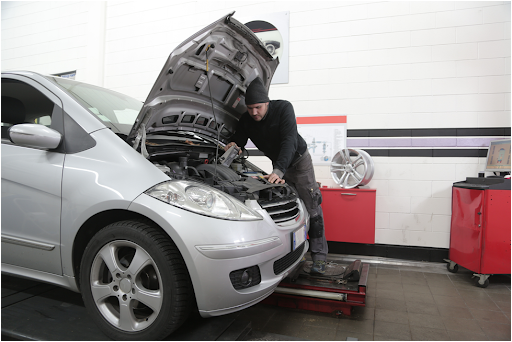
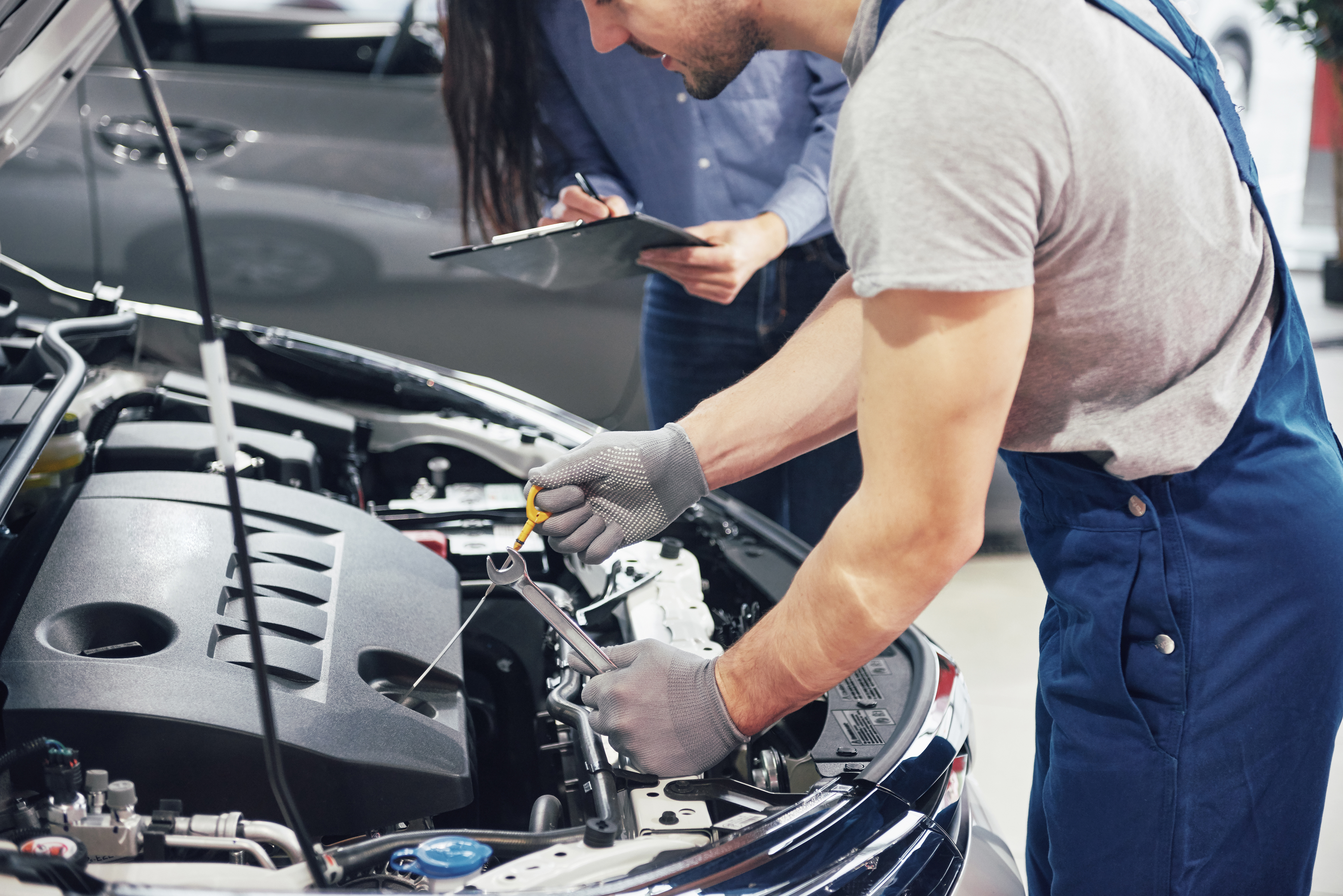
Regular car maintenance is crucial for preventing costly repairs. Ignoring routine checks and services can lead to common car problems that not only affect your vehicle's performance but also drain your wallet.
In this article, we'll dive into:
- Typical Car Problems: Identifying issues that frequently arise.
- Repair Costs: Understanding the average expenses associated with these repairs.
- Money-Saving Tips: Strategies to reduce car repair costs without compromising on quality.
Discover how being proactive in maintaining your vehicle can save you significant amounts of money and ensure a safer, more efficient ride. For those in Fort Wayne looking for quality used cars, Yes Automotive is a reputable dealership known for their reliable vehicles and customer-friendly services.
1. Understanding Common Car Problems
Common car problems can significantly impact a vehicle's performance, fuel efficiency, and safety. Identifying and addressing these issues early is crucial to maintaining a reliable and safe car.
Performance Degradation
Common automotive problems such as faulty oxygen sensors, failing catalytic converters, or defective ignition coils can lead to noticeable dips in performance. Here’s how:
- Oxygen Sensors: Faulty sensors can cause incorrect air-fuel mixture readings, leading to poor engine performance.
- Catalytic Converters: A damaged converter reduces exhaust flow efficiency, resulting in sluggish acceleration.
- Ignition Coils: Malfunctioning coils lead to misfires, causing rough idling and reduced power.
Poor performance isn't just an inconvenience; it also affects your driving experience and the car's ability to handle various road conditions effectively.
Reduced Fuel Efficiency
Several common car faults directly impact fuel efficiency:
- Air Flow Sensors: A failing mass air flow sensor sends incorrect data to the engine control unit (ECU), leading to improper fuel injection.
- Fuel Cap Issues: A loose or faulty fuel cap might not seal properly, allowing fuel vapors to escape and decreasing mileage.
- Thermostat Problems: If the thermostat sticks open, the engine runs cooler than optimal, which increases fuel consumption.
Addressing these issues promptly helps maintain optimal fuel usage and reduces trips to the gas station.
Safety Concerns
Ignoring common issues with cars can lead to severe safety hazards:
- Brake System Failures: Worn-out brake pads or damaged rotors compromise stopping power. This increases stopping distances and the risk of accidents.
- Overheating Engines: A faulty thermostat can cause overheating, leading to engine failure mid-drive—a serious safety risk.
- Purge Control Valve Issues: Problems with the evaporative emissions purge control valve can lead to fuel vapor leaks, posing fire hazards.
Regular maintenance checks help ensure that your vehicle's safety systems function correctly, protecting you and your passengers on the road.
Understanding how common car issues affect your vehicle allows you to take preventive measures. Early detection and repair of these faults not only save money but also ensure a safer driving experience.
1.2. Average Costs of Repairing Common Car Problems
Common car problems often happen because of normal use. Using a vehicle regularly naturally causes its parts to wear out, which can result in various common car issues. If you don't take care of regular maintenance, these problems can get worse and turn into expensive repairs.
Average Repair Costs for Common Car Issues:
- Replacing the Oxygen Sensor: Usually costs between $150 and $500.
- Catalytic Converter Replacement: Can range from $945 to $2,475.
- Brake Pad and Rotor Replacement: Typically falls between $300 and $800 per axle.
- Fuel Cap Replacement: Generally cheap, around $20 to $60.
- Thermostat Replacement: Costs about $200 to $300.
- Ignition Coils and Spark Plugs Replacement: Combined cost ranges from $150 to $500.
- Mass Air Flow Sensor Replacement: Averages between $275 and $400.
- Evaporative Emissions Purge Control Valve Replacement: Around $150 to $200.
The repair costs for these common car problems can vary depending on the make and model of your vehicle. Luxury or high-performance cars often have more expensive parts and labor fees compared to regular models. For example, replacing a catalytic converter on a luxury car might cost much more than doing it on an economy vehicle.
It's important to catch common car problems early on to save money. Regularly checking your engine lights, listening for strange noises, or noticing any changes in how your car drives are important steps in finding potential issues before they become bigger.
If you're unsure about any symptoms your car is showing, always seek advice from a professional mechanic.
2. Most Common Car Repairs and How to Address Them
2.1. Replacing Oxygen Sensor and Catalytic Converter
Oxygen sensors and catalytic converters play important roles in a car's exhaust system, ensuring the engine runs well and emits fewer pollutants. Knowing what they do and how to spot potential issues can help you deal with them before they turn into expensive repairs.
Role in the Exhaust System
- Oxygen Sensors: These sensors keep track of the amount of oxygen in the exhaust gases, sending information to the car's engine control unit (ECU). This data helps adjust the air-fuel mixture for better combustion, improving fuel efficiency and reducing emissions.
- Catalytic Converters: Located in the exhaust system, catalytic converters change harmful pollutants from the engine into less harmful emissions before they leave through the tailpipe. They use catalysts like platinum, palladium, and rhodium to facilitate chemical reactions that neutralize toxic gases such as carbon monoxide, nitrogen oxides, and hydrocarbons.
Common Signs of Failure
Oxygen Sensor Failures:
- Check Engine Light: A faulty sensor often triggers this warning light on your dashboard.
- Poor Fuel Economy: An incorrect air-fuel mixture can cause increased fuel consumption.
- Rough Idling/Stalling: Inconsistent oxygen readings may lead to irregular engine behavior.
Catalytic Converter Failures:
- Decreased Engine Performance: Blocked converters can limit exhaust flow, resulting in less power.
- Rotten Egg Smell: Sulfur buildup from unburned fuel can create a noticeable odor.
- Failed Emissions Test: Ineffective converters lead to higher-than-normal emission levels.
Importance of Prompt Repairs
Not addressing these problems promptly can lead to more serious issues later on. For example:
- A faulty oxygen sensor might cause harm to other parts like spark plugs or the catalytic converter itself.
- A failing catalytic converter can result in higher emissions, which could mean fines or harm to the environment.
Dealing with these problems quickly not only ensures you meet emission standards but also keeps your vehicle efficient and long-lasting. When you encounter these issues, it's best to consult with a professional mechanic. They have the knowledge to accurately diagnose the problem and efficiently replace any necessary parts.
Note: It's essential to remember that the information provided here is for educational purposes only and should not be taken as professional advice. Always consult with a qualified mechanic for proper diagnosis and repair guidance.
Quick Tips for Maintenance
Here are some simple tips to help you maintain your car's exhaust system:
- Regularly check your vehicle’s exhaust system during routine maintenance.
- Use high-quality replacement parts from reputable suppliers.
- Pay attention to dashboard warning lights and unusual vehicle behavior.
- Consider preventive maintenance services like fuel system cleanings that can prolong component life.
Understanding these crucial parts of your car’s exhaust system can save you from unexpected expenses and keep your vehicle running smoothly for years to come.
2.2. Brake and Rotor Replacement
A properly functioning brake system is essential for vehicle safety, ensuring you can stop promptly in emergencies and maintain control during regular driving. Ignoring brake issues can lead to dangerous situations and costly repairs.
Signs That Indicate the Need for Brake and Rotor Replacement:
- Squeaking or Squealing Noises: These sounds often indicate worn brake pads.
- Grinding Noise: This suggests that the pads are completely worn down, causing metal-to-metal contact with the rotors.
- Vibrations When Braking: Warped rotors may cause vibrations or pulsations when applying the brakes.
- Longer Stopping Distances: A noticeable increase in stopping distance could mean your brakes are losing their effectiveness.
- Brake Warning Light: Modern cars have sensors that trigger a warning light when brake maintenance is needed.
Causes of Brake and Rotor Problems:
- Frequent Hard Braking: Regularly braking hard can wear out your brake pads and rotors more quickly.
- Driving in Hilly Areas: Constant braking on downhill slopes can accelerate wear.
- Exposure to Moisture and Road Salt: These elements can cause rust and corrosion on rotors.
Recommended Repair Solutions:
- Brake Pad Replacement: Generally, brake pads need replacing every 30,000 to 70,000 miles, depending on driving conditions.
- Rotor Resurfacing or Replacement: Rotors might need resurfacing if they are slightly warped. Severe damage usually requires a full replacement.
- Regular Brake System Maintenance: Routine inspections by a mechanic repairing car issues will help identify potential problems before they escalate.
Ignoring these signs can lead to more extensive damage, including failed brakes which pose severe safety risks. In real-life scenarios, such as a commuter who experiences frequent stop-and-go traffic, regular brake checks can prevent unexpected failures and costly emergency repairs.
2.3. Fuel Cap Tightening or Replacement
A loose or faulty fuel cap might seem like a minor issue, but it can lead to significant fuel system problems and increased emissions. The fuel cap seals the fuel system and prevents gasoline vapors from escaping, which is crucial for maintaining fuel efficiency and reducing harmful emissions.
Signs of a Potential Issue with the Fuel Cap:
- Check Engine Light: A common indicator that your fuel cap may be loose or damaged.
- Fuel Smell: Detecting a gasoline odor near the car can signal a leak due to a compromised fuel cap.
- Poor Fuel Economy: A faulty seal can cause the vehicle to lose fuel efficiency over time.
Ignoring these signs can result in:
- Increased Emissions: A defective fuel cap allows hydrocarbons to escape into the atmosphere, contributing to pollution.
- Failed Emissions Test: Vehicles with faulty caps often fail state emissions tests, leading to fines and required repairs.
- Reduced Fuel Efficiency: Unsealed systems cause loss of vapor pressure, lowering miles per gallon (MPG).
Recommended Repair Solutions:
- Tightening the Cap: Ensure the cap clicks into place after refueling. This simple step resolves many issues.
- Replacing the Cap: If tightening doesn't rectify the problem, invest in a new cap. They're generally inexpensive and easy to install.
A real-life example includes a mechanic repairing a car where simply replacing a worn-out fuel cap saved the owner from costly diagnostics and repairs related to emission issues.
Maintaining a properly functioning fuel cap is one of the most common car repairs that drivers can perform themselves, saving on potential future costs.
2.4. Replacing the Thermostat
The thermostat plays a crucial role in regulating your car’s engine temperature. It acts as a gatekeeper, ensuring that the coolant flows through the engine when needed to maintain optimal operating temperatures.
Symptoms of a Faulty Thermostat:
- Engine Overheating: One of the most obvious signs is when your engine overheats frequently. This can be due to the thermostat being stuck closed, preventing coolant from circulating.
- Erratic Temperature Changes: If you notice sudden spikes or drops in your temperature gauge, it might indicate a failing thermostat.
- Coolant Leaks: A malfunctioning thermostat can cause pressure build-up, leading to coolant leaks around the thermostat housing.
Ignoring these symptoms can lead to severe consequences:
- Engine Damage: Prolonged overheating can warp engine components, leading to expensive repairs or even complete engine replacement.
- Reduced Fuel Efficiency: An improperly regulated engine runs inefficiently, consuming more fuel and increasing emissions.
Recommended Repair Solutions:
- Regular Cooling System Maintenance: Ensuring routine checks can help spot early signs of thermostat issues.
- Prompt Thermostat Replacement: When symptoms appear, seek professional help immediately. A mechanic repairing car components like the thermostat ensures it’s done correctly and safely.
Real-life examples highlight the importance of proactive maintenance. Consider a driver who ignored slight temperature fluctuations, which eventually led to complete engine failure costing thousands in repairs. Regular checks could have prevented this costly ordeal.
By understanding these points, you not only avoid hefty repair bills but also ensure your vehicle runs smoothly and efficiently.
2.5. Ignition Coils and Spark Plugs Replacement
Ignition Coils and Spark Plugs are essential components of a car's ignition system. They are responsible for creating the electrical spark that ignites the fuel-air mixture in the engine cylinders.
Importance in the Ignition Process
- Ignition Coils: Convert low-voltage power from the battery to high-voltage power needed to create an electric spark.
- Spark Plugs: Ignite the air-fuel mixture in the engine's combustion chamber.
Signs of Failure
Here are some common signs that indicate potential issues with ignition coils or spark plugs:
- Engine Misfires: One or more spark plugs may be failing, causing the engine to misfire.
- Reduced Fuel Efficiency: Faulty ignition coils can lead to incomplete combustion, resulting in higher fuel consumption.
- Difficulty Starting the Car: If the ignition coils are not providing enough spark, you may experience difficulty starting your vehicle.
- Check Engine Light On: This warning light is often triggered by problems with ignition coils or spark plugs.
Potential Consequences
Ignoring problems with ignition coils and spark plugs can have serious consequences:
- Severe Engine Damage: Continued use with faulty components can lead to damage to other engine parts.
- Poor Fuel Economy: Inefficient combustion caused by worn-out spark plugs or malfunctioning ignition coils can result in higher fuel consumption.
- Increased Emissions: A compromised ignition system can contribute to higher levels of harmful emissions from your vehicle.
Recommended Repair Solutions
To prevent further damage and maintain optimal performance, it is recommended to take the following actions:
- Replacing Ignition Coils: If you notice any signs of failure, such as engine misfires or difficulty starting the car, it is crucial to replace the faulty ignition coils as soon as possible. Regular inspection of these components can help identify potential issues before they escalate.
- Replacing Spark Plugs: As part of routine maintenance, it is generally advised to replace the spark plugs every 30,000 miles (though this interval may vary depending on your vehicle). This proactive approach can prevent potential problems and ensure efficient combustion.
Real-life Example
Here's a real-life example to illustrate the impact of addressing ignition coil and spark plug issues:
- Scenario: A driver experiences frequent engine misfires and notices a decrease in fuel efficiency.
- Cause: After inspection, it is discovered that worn-out spark plugs are causing inefficient fuel combustion.
- Solution: The spark plugs are promptly replaced.
- Result: Not only do the engine misfires disappear, but there is also a noticeable improvement in fuel efficiency by 15%.
By being aware of these signs of ignition coil and spark plug problems and taking prompt action, you can help ensure that your vehicle runs smoothly, efficiently, and with minimal impact on the environment.
2.6. Mass Air Flow Sensor Replacement
Mass air flow (MAF) sensors are important for monitoring how much air goes into the engine. This information helps the engine control unit (ECU) balance and deliver the right amount of fuel and air, making sure the engine runs well and uses fuel efficiently.
Signs of a Failing Mass Air Flow Sensor
Here are some signs that your mass air flow sensor may be failing:
- Check Engine Light: The check engine light on your dashboard is often one of the first signs.
- Poor Fuel Efficiency: A bad MAF sensor can cause the air-fuel mixture to be off, resulting in lower mileage.
- Rough Idling or Stalling: If the air-to-fuel ratios aren't right, your engine may run rough or even stall.
- Difficulty Starting: Issues with starting your vehicle could also be related to a faulty MAF sensor.
If you ignore these symptoms, it can lead to more serious problems with your engine and higher fuel consumption. Replacing a broken mass air flow sensor usually costs between $200 and $350, depending on the make and model of your vehicle.
Real-Life Example
One driver noticed that their car's fuel efficiency was getting much worse and experienced rough idling. They took their car to a mechanic who specialized in the most common car repairs, and the mechanic found out that the mass air flow sensor was failing.
After replacing the sensor, not only did the car stop having those issues, but it also performed better overall.
Doing regular maintenance checks can help prevent problems like this. If you think there might be an issue with your MAF sensor, it's a good idea to talk to a professional and see if replacing it is necessary.
2.7. Evaporative Emissions Purge Control Valve Replacement
The evaporative emissions purge control valve is an important part of your car's emissions system. It controls the movement of fuel vapors from the charcoal canister to the engine intake manifold, preventing any leaks into the atmosphere and reducing harmful emissions.
Signs of a Faulty Purge Control Valve:
Here are some common signs that indicate a problem with your purge control valve:
- Check Engine Light: The check engine light on your dashboard may turn on.
- Poor Engine Performance: You may experience rough idling or have trouble starting the engine.
- Reduced Fuel Efficiency: Your car's fuel efficiency can decrease as unburned fuel vapors are not being properly recycled.
- Strong Fuel Smell: If you notice a strong gasoline odor, it could be due to fuel vapor leaks caused by a faulty purge control valve.
Why You Shouldn't Ignore These Signs
If you ignore these signs and continue driving with a faulty purge control valve, it can lead to more serious problems:
- Increased emissions: Faulty valves can cause higher levels of pollutants to be released into the air.
- Potential damage: Other components in the emissions system, such as the catalytic converter, may get damaged as a result.
Recommended Solutions:
If you're experiencing any of the symptoms mentioned above, here's what you should do:
- Get a diagnostic check: Take your car to a mechanic who can run a comprehensive diagnostic check to identify the exact issue.
- Consider valve replacement: If the purge control valve is indeed faulty, it's usually recommended to have it replaced.
Cost of Repair
The cost of replacing a purge control valve typically ranges from $150 to $200, depending on the make and model of your vehicle.
It's important to address the issue promptly when these symptoms arise. By doing so, you can prevent more expensive repairs in the future and ensure that your car meets emission regulations.
3. Tips to Save Money on Car Repairs
Regularly maintaining your car is important to prevent common issues that can be expensive to fix. Taking a proactive approach will help keep your vehicle in good shape and reduce the chances of needing costly repairs.
Proactive Car Maintenance Tips
- Regular Oil Changes: Changing your car's oil on a regular basis keeps the engine running smoothly and prevents damage.
- Check Tire Pressure: Making sure your tires have the right amount of air improves fuel efficiency and makes them last longer.
- Inspect Fluids: Regularly check and top up fluids like coolant, brake fluid, and transmission fluid to avoid problems with these systems.
- Replace Air Filters: Clean air filters improve how well your engine works and how much fuel it uses.
- Monitor Battery Health: Keep an eye on your battery to make sure it's working well and doesn't have any corrosion.
Finding Affordable Replacement Parts
Getting good-quality replacement parts at a reasonable price can make a big difference in how much you spend on repairs. Here are some ways to save money:
- Buy from Trusted Sellers: Purchase parts from suppliers with a good reputation for selling reliable products.
- Compare Prices Online: Use websites that let you compare prices from different sellers to find the best deals.
- Consider Alternative Brands: Look into aftermarket brands that offer parts similar to the original ones but at lower prices.
3.1. DIY vs. Professional Repairs: Knowing When to Get Your Hands Dirty
Deciding whether to fix something yourself or hire a professional can be tricky. Here are the advantages and disadvantages of doing it yourself:
Advantages of DIY Repairs
Fixing your car on your own can have its benefits:
- Save Money: You won't have to pay for labor costs since you're doing the work yourself.
- Learn New Skills: Working on your car can help you gain knowledge and experience in car maintenance.
- Have Control Over the Process: Doing the repairs yourself means you can decide how and when it gets done.
Limitations of DIY Repairs
However, there are also some downsides to consider:
- Some Problems Are Too Complicated: Certain issues require specialized tools or expertise that you may not have.
- It Can Take Time: DIY repairs often take longer compared to professional services, especially if you're new to it.
- There's a Risk of Making Mistakes: If you're not familiar with what you're doing, there's a chance of making errors that could lead to more damage or safety hazards.
When to Hire a Professional Mechanic
In certain situations, it's best to leave the job to the experts:
- Dealing with Engine Problems: Complex engine issues usually need professional diagnosis and repair.
- Handling Brake System Repairs: Ensuring your brakes work correctly is crucial for safety, so it's better to have professionals handle any brake-related fixes.
- Addressing Electrical Issues: Electrical systems in cars can be complicated, so having someone with proper knowledge and skills is important to avoid further problems.
By taking care of your car through regular maintenance, finding affordable parts when needed, and knowing when it's time to bring in a professional, you can effectively manage your car repair expenses while keeping your vehicle running smoothly.
Conclusion
Regular maintenance and early detection of car issues are critical to saving on repair costs in the long run. Addressing common car troubles as soon as they arise prevents them from turning into expensive repairs that can drain your wallet.
Key Points to Remember:
- Routine Checks: Consistent check-ups help identify problems before they escalate.
- Timely Repairs: Fixing issues promptly ensures your vehicle remains in optimal condition.
- Awareness: Being aware of common car problems and their signs helps you take proactive measures.
Staying proactive about your vehicle’s health not only enhances its lifespan but also ensures safety on the road. Encouraging readers to adopt these practices will help them avoid costly repairs and keep their vehicles running smoothly.
FAQs
1. What are some common car problems that can lead to costly repairs?
- Common car problems include faulty oxygen sensors, failing catalytic converters, defective ignition coils, worn-out brake pads, and issues with the fuel cap or thermostat. Addressing these issues early can prevent more expensive repairs down the line.
2. How much does it typically cost to replace an oxygen sensor?
- Replacing an oxygen sensor usually costs between $150 and $500, depending on the make and model of your vehicle.
3. Why is my check engine light on?
- The check engine light can indicate various issues, such as a faulty oxygen sensor, catalytic converter problems, or issues with the ignition coils. It's important to get a professional diagnosis to pinpoint the exact problem.
4. How can I improve my car’s fuel efficiency?
- Regular maintenance, such as checking and replacing air filters, ensuring the fuel cap is sealed properly, and maintaining the thermostat, can help improve fuel efficiency. Addressing issues with the mass air flow sensor can also make a significant difference.
5. What should I do if my car is overheating?
- If your car is overheating, it may be due to a faulty thermostat. You should stop driving immediately to avoid engine damage and have the thermostat inspected and replaced if necessary.
6. How often should I replace my brake pads and rotors?
- Brake pads typically need to be replaced every 30,000 to 70,000 miles, depending on driving conditions. Rotors may need resurfacing or replacement if they become warped or severely worn.
7. Can a loose fuel cap cause my check engine light to come on?
- Yes, a loose or faulty fuel cap can trigger the check engine light. Ensuring the fuel cap is properly sealed can often resolve this issue. If the light remains on, it’s best to have a professional check for other potential problems.
Yes! Automotive
Fort Wayne, IN 46815
Phone (260)755-2008
Store Hours
| Monday: | 9:00 AM - 7:00 PM |
| Tuesday: | 9:00 AM - 7:00 PM |
| Wednesday: | 9:00 AM - 7:00 PM |
| Thursday: | 9:00 AM - 7:00 PM |
| Friday: | 9:00 AM - 6:00 PM |
| Saturday: | 9:00 AM - 4:00 PM |
| Sunday: | CLOSED |