
Yes! Automotive Blog

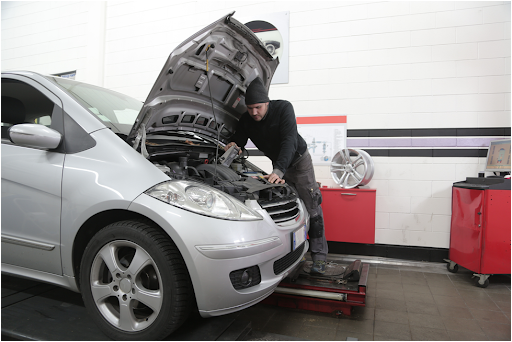

If you're driving in Fort Wayne, Indiana, and experience a flat tire, understanding the intricacies of tire patching can save you time, money, and frustration. In this comprehensive guide, we will explore everything you need to know about tire patching, including costs, processes, and when it's better to replace rather than repair your tire.
Understanding Tire Patching
Tire patching is a common solution for repairing punctured tires. It involves sealing the puncture to restore the tire's integrity and ensure safe driving. There are different methods of tire repair, including patches and plugs, each suitable for different types of damage.
What is Tire Patching?
Tire patching involves using a rubber patch to cover a puncture on the tire’s inner lining. This process ensures that air does not escape, restoring the tire's ability to hold pressure. Patching is typically effective for small punctures caused by nails or screws.
What is Tire Plugging?
Tire plugging involves inserting a plug into the puncture from the outside of the tire. This method is faster but often considered a temporary fix compared to patching.
How Much Does It Cost to Patch a Tire?
The cost of patching a tire can vary based on several factors, including the type of vehicle, the severity of the damage, and the repair shop’s pricing. On average, you can expect to pay between $10 to $20 for a standard tire patch.
Factors Influencing Tire Patch Costs
-
Type of Vehicle: Larger vehicles such as trucks or SUVs may incur higher costs due to the size and type of tire.
-
Damage Severity: Extensive damage might require more labor and materials, increasing the cost.
-
Location of Service: Prices can vary based on local market rates in Fort Wayne, Indiana.
When Can a Tire Not Be Patched?
Not all tire punctures are repairable. Understanding when a tire cannot be patched is crucial for safety.
Factors That Make a Tire Unpatchable
-
Sidewall Damage: Punctures or cuts on the tire's sidewall are generally considered unrepairable. The sidewall supports the vehicle's weight, and any damage can compromise the tire's structural integrity.
-
Large Punctures: Holes larger than ¼ inch in diameter usually cannot be patched safely.
-
Multiple Repairs: Tires with multiple patches, especially close to each other, may not be safe to use.
-
Excessive Wear: Tires with significant tread wear may not be worth patching, as they are nearing the end of their lifespan.
How Close to the Sidewall Can a Tire Be Patched?
The location of the puncture plays a critical role in determining whether a tire can be patched. Generally, punctures located within the central tread area, at least 1 inch away from the sidewall, are considered repairable. Punctures too close to the sidewall cannot be patched due to safety concerns.
Repairable Area of a Tire
The repairable area of a tire is usually limited to the tread area. This is the region that makes direct contact with the road. Here’s a breakdown:
-
Central Tread Area: The most common and safest area for patching.
-
Shoulder Area: Less ideal but sometimes repairable if the puncture is not too close to the sidewall.
-
Sidewall: As mentioned, sidewall punctures are typically non-repairable.
Process of Patching a Tire
Understanding the steps involved in tire patching can give you peace of mind and confidence in the repair process.
Step-by-Step Tire Patching Process
-
Inspection: The tire is inspected to locate the puncture and assess its repairability.
-
Removal: The tire is removed from the wheel for a thorough examination.
-
Preparation: The puncture area is cleaned and prepped for the patch.
-
Patch Application: A rubber patch is applied to the inner lining of the tire.
-
Reassembly: The tire is reinstalled on the wheel and inflated to the correct pressure.
-
Final Check: The tire is checked for leaks and proper inflation.
How Much Does It Cost to Get a Tire Plugged?
Plugging a tire is generally less expensive than patching, with costs typically ranging from $10 to $15. However, because plugs are considered temporary fixes, it is often recommended to use a patch or a combination of both for a more permanent solution.
Where Can a Tire Be Patched?
In Fort Wayne, Indiana, numerous auto repair shops and tire service centers offer tire patching services. It’s essential to choose a reputable service provider to ensure quality repairs.
Reputable Tire Repair Shops in Fort Wayne
-
Yes Automotive: Known for reliable and professional tire repair services.
-
Local Mechanic Shops: Smaller, independent shops can also provide excellent tire repair services at competitive prices.
-
Chain Service Centers: National chains like Firestone or Goodyear often offer tire patching with warranties.
Punctured Tire Repair: When to Seek Professional Help
While some minor tire repairs can be done at home with a tire repair kit, it’s advisable to seek professional help for most punctures to ensure safety and proper repair.
DIY vs. Professional Repair
-
DIY Kits: Suitable for temporary fixes and minor punctures.
-
Professional Repair: Recommended for most punctures to ensure the repair is done correctly and safely.
Understanding the nuances of tire patching, from costs to repairability, is essential for making informed decisions about your vehicle’s maintenance. Whether you’re dealing with a simple nail puncture or more extensive damage, knowing when to patch, plug, or replace your tire ensures your safety on the road.
If you find yourself with a punctured tire in Fort Wayne, Indiana, remember to visit reputable service centers like Yes Automotive for reliable and professional repairs. Ensuring your tires are in good condition not only prolongs their life but also enhances your driving safety and comfort.
For more information on tire maintenance and repair services, visit Yes Automotive and schedule your appointment today. Stay safe and keep your tires in top shape!
FAQs
How much does it cost to patch a tire? The cost to patch a tire typically ranges from $10 to $20, depending on various factors. Can a tire be patched near the sidewall? Generally, no. Punctures near the sidewall are not safe to patch due to the structural role of the sidewall. Is plugging a tire a permanent solution? Plugging is usually a temporary fix. Combining it with a patch is often recommended for a more permanent repair. What is the repairable area of a tire? The repairable area is mainly the central tread area, away from the sidewall. How do I know if my tire can be patched? If the puncture is within the tread area and smaller than ¼ inch, it can usually be patched. Consult a professional for a thorough inspection.
Yes! Automotive
Fort Wayne, IN 46815
Phone (260)755-2008
Store Hours
| Monday: | 9:00 AM - 7:00 PM |
| Tuesday: | 9:00 AM - 7:00 PM |
| Wednesday: | 9:00 AM - 7:00 PM |
| Thursday: | 9:00 AM - 7:00 PM |
| Friday: | 9:00 AM - 6:00 PM |
| Saturday: | 9:00 AM - 4:00 PM |
| Sunday: | CLOSED |