
Yes! Automotive Blog

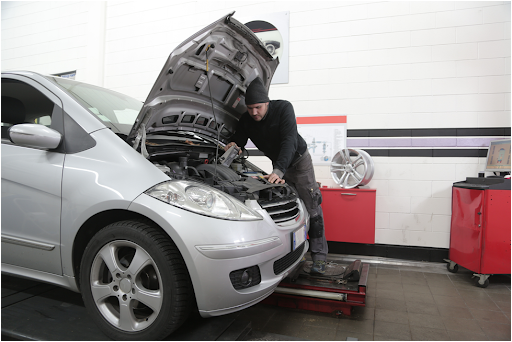

Introduction:
Happy Birthday, Yes Automotive Fort Wayne! As we celebrate one year of serving the Fort Wayne, IN community, we find ourselves delving into the mysteries that surround our beloved vehicles. Today, let's explore a common enigma that many drivers encounter as the temperatures drop – the illuminated Tire Pressure Monitoring System (TPMS) light. Why does it seem to shine brighter in cold weather? Let's uncover the secrets behind this phenomenon.
1. Understanding TPMS:
Before we unravel the cold-weather mystery, it's crucial to understand the TPMS and its role in maintaining safe driving conditions. The TPMS is a vital safety feature that monitors the air pressure in your tires. When a tire's pressure falls below the recommended level, the TPMS light illuminates on your dashboard, alerting you to the potential danger of underinflated tires.2. The Influence of Temperature on Tire Pressure:
Tire pressure is sensitive to temperature changes. As temperatures drop, the air molecules inside the tires lose energy and move more sluggishly, resulting in a decrease in tire pressure. This natural phenomenon is why your TPMS light might become more active during colder months.3. Cold Weather Impact on Tire Pressure:
The ideal tire pressure recommended by manufacturers is based on a specific temperature range. As the mercury plummets, tire pressure tends to decrease, sometimes falling below the recommended levels. This drop triggers the TPMS to illuminate, signaling the need for attention.4. The Connection Between Cold Weather and Tire Pressure:
When temperatures are colder, tire pressure can drop by about 1-2 pounds per square inch (PSI) for every 10-degree Fahrenheit decrease in temperature. In regions like Fort Wayne, where winters can be chilly, it's not uncommon for drivers to notice their TPMS light coming on more frequently during the colder months.5. Actionable Steps for Drivers:
Regular Tire Checks: Make it a habit to check your tire pressure regularly, especially as the seasons change. This can help prevent unexpected TPMS alerts.Inflate Tires Properly:
Keep your tires inflated to the recommended PSI, which is usually found in your vehicle's owner's manual or on a sticker inside the driver's side door frame.Monitor Tire Pressure in Winter:
Pay extra attention to your tire pressure during the winter months. Consider checking it more frequently to ensure optimal performance and safety.Conclusion
As Yes Automotive Fort Wayne celebrates its first year, let's continue our journey of unraveling the mysteries that surround our vehicles. The relationship between cold weather and the TPMS light serves as a reminder of the interconnected nature of our vehicles' components. By understanding these relationships, we empower ourselves to take proactive measures, vehicle maintenance and ensure our safety on the road. Here's to many more years of exploration, discovery, and safe travels with Yes Automotive Fort Wayne!
Yes! Automotive
Fort Wayne, IN 46815
Phone (260)755-2008
Store Hours
| Monday: | 9:00 AM - 7:00 PM |
| Tuesday: | 9:00 AM - 7:00 PM |
| Wednesday: | 9:00 AM - 7:00 PM |
| Thursday: | 9:00 AM - 7:00 PM |
| Friday: | 9:00 AM - 6:00 PM |
| Saturday: | 9:00 AM - 4:00 PM |
| Sunday: | CLOSED |